Pickleball Popularity Sparks Noise Complaints in Pacific Beach
The rapid rise of pickleball has sparked debate in Pacific Beach neighborhoods over noise and court access.
The Sound That’s Dividing the Neighborhood
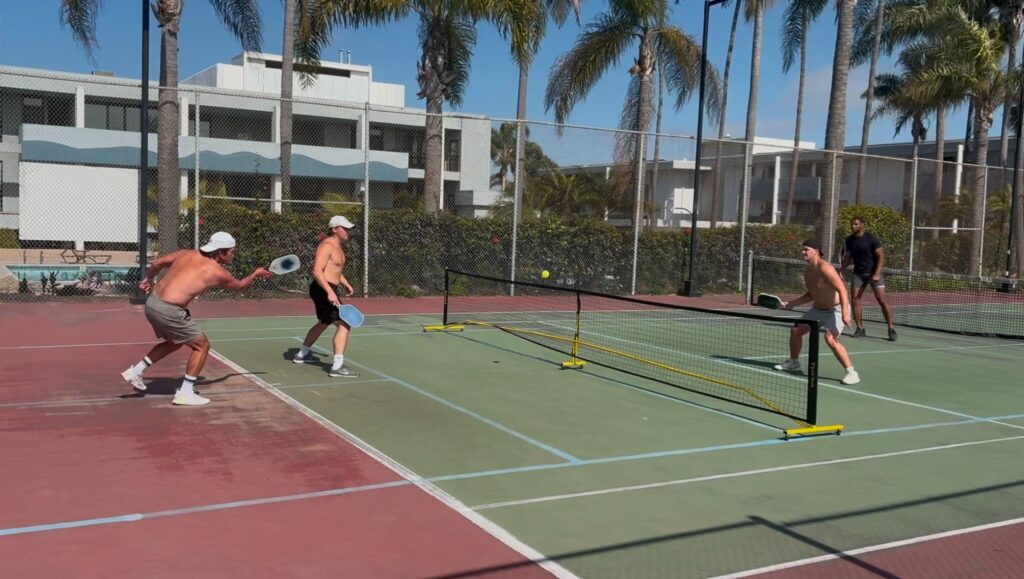
On a quiet weekend morning in San Diego, the rhythmic pop-pop-pop of pickleball paddles echoes through a local apartment complex. For some, it’s the sound of a new favorite pastime. For others, it’s an unbearable nuisance that disrupts daily life and interferes with the peace and quiet that drew many to the neighborhood in the first place.
Pickleball is one of the fastest growing sports in the United States and has exploded in popularity, especially in sunny San Diego. The sport brings players of all ages to local courts, including those in residential communities and public parks. But, with that rise in popularity comes a rise in complaints from residents who say the constant noise has made their homes unlivable.
“The noise is unbearable, I can hear the popping sound all day long. We’ve complained to management about it, but the players still come to the courts every weekend,” said Susan Barclay, who has lived in the complex for three years. “It starts early in the morning and goes till sun down, we keep our windows closed now for the most part because of it.”
Why Everyone’s Suddenly Playing Pickleball
Originally invented in 1965, pickleball isn’t considered a new sport, but it’s surge in popularity is a relatively recent phenomenon. The sport has taken off in part because of how accessible it is to people of all skill levels and ages. A local pickleball player, Alan Rodriguez, said, “I think it’s an easier game to pick up than tennis and there’s also a good culture that comes with it. It’s super easy to find a casual game, too.”
The sport also saw a significant boost after the COVID-19 pandemic, as people looked for safe, social outdoor activities to do together. Parks and recreational areas became key gathering spaces, and many first time players turned into regulars. There’s little doubt that pickleball has been embraced by San Diego’s recreational scene, with games popping up in parks, gyms, and residential areas all over the county.
Playtime Gets Complicated
However, the growth of pickleball has also introduced other issues like the competition for shared spaces. In some communities, pickleball players have taken over shared courts, often repurposing courts and claiming slots reserved for tennis. With limited court space, tensions over usage and access are rising alongside the sound complaints.
“I’ve coached tennis here for a few years now, and I’ve never seen the courts this crowded,” said Sammie Watson, a tennis instructor for Bay Apartments. “It does feel like the tennis is being squeezed out a bit. It’s harder for us to run lessons or practices when people show up and just start playing on any open court.”
With noise complaints and shared space issues, cities across the county are looking for solutions. Some have implemented restricted playing hours, while others have invested in sound barriers like the Barnes Tennis Center in Midway District and YMCA location in Pacific Beach.
San Diego officials are aware of the growing controversy. According to Charlie Nieto, the Pacific Beach City Council president, the city has received an increase in pickleball related noise complaints.
“But yeah, we’ve got neighbors upset about the sound, most of them just want some kind of compromise like not playing super early or something to help with the noise.”
Pickleball players, however, argue that the sport fosters community and should be encouraged, not restricted. Alan Rodriguez, who regularly plays in Pacific Beach, believes residents should be more understanding.
“It’s frustrating because we’re just out here having fun,” he said. “I understand that the noise can be annoying, but at the end of the day, it’s a shared space. The courts were built for a reason.”
Some players also point out that the sport provides physical benefits, especially for older folks who may not have many other recreational options available.
What’s Next
For now, the debate rages on. With passionate players on one side and frustrated residents on the other, the future of pickleball in shared spaces will depend on compromise, regulation, and perhaps innovative solutions. Whether through new technology, designated playing hours, or dedicated pickleball facilities, San Diego will need to find a way to keep both sides satisfied.
In the meantime, the sound of paddles continues across San Diego.
____________________________________________
Kicking Off a New Era: San Diego’s Sports Renaissance
San Diego may have lost its Chargers in 2017, but it seems to have gained something in return: the unshakable pride of fans who’ve traded bolts for bats, touchdowns for goals, and heartbreak for the bright promise of a region redefining its sports landscape.
After the Chargers’ departure, other teams in town such as the San Diego Padres jumped on the opportunity to fill the void they left by significantly increasing spending and bringing in star players for the first time in decades. This push resonated with fans and has solidified the team as San Diego’s main sports attraction.
The newly established San Diego Football Club Major League Soccer franchise and the National Women’s Soccer League’s San Diego Wave have also energized local fans and expanded the region’s sports identity in recent years. Now, with plans for new arenas and investments from major figures such as Stan Kroenke, San Diego is embracing a future that feels true to its own spirit, with a fan base as passionate and loyal as ever.
Bolts to Bats: A City Redefines Its Sports Identity
For more than five decades, the San Diego Chargers were an integral part of the city’s identity, but despite this, the team moved to rival sports town Los Angeles in 2017. The move was highly controversial and sparked disappointment and resentment among fans throughout the region.
The decision to leave came after years of contention over the need for a new stadium. Qualcomm Stadium, the Chargers’ home since the 1960s, was outdated by modern NFL standards, yet negotiations between the team owners, city officials and taxpayers failed to secure an agreement for a new stadium.
Local radio host and former Chargers sideline reporter Scott Kaplan discussed the Chargers’ final attempt to stay in San Diego. This final attempt was in the form of Measure C Measure C: Chargers stadium measure defeated, which proposed raising hotel room taxes to help fund the proposed football stadium in downtown San Diego, with the Chargers contributing $650 million toward the project. However, Measure C was defeated by voters, with 57% against and 43% in favor when it required a two-thirds majority to pass.
“It was not a well run campaign and most people think and assume that the campaign was nothing other than $10 million of marketing money that was marketed to make it look like you were trying to stay, so that the fans would continue to support, when in actuality the decision had been made a long time ago to get out of here,” Kaplan said.
While the Chargers’ valuation rose from $1.52 billion in 2015 to $5.83 billion today, they’ve dropped down four spots in the NFL franchise valuations since their departure from San Diego, according to Forbes’ NFL Valuation.
The other teams that recently relocated have seen much greater success. For example, the Rams were valued at $1.45 billion and ranked 28th of 32 NFL teams in 2015 before moving from St. Louis back to Los Angeles. Today, they are the second most valuable team at $8 billion. Similarly, the Raiders moved from Oakland to Las Vegas in 2020, and their valuation rose from second to last in the NFL to 5th overall.
Both the Rams and Raiders relocated with considerably less controversy and arrived in cities that were much more eager to support them. The Chargers left a deeply rooted fan base behind to a city that frankly never wanted them.
A New Playing Field: Sports Revival
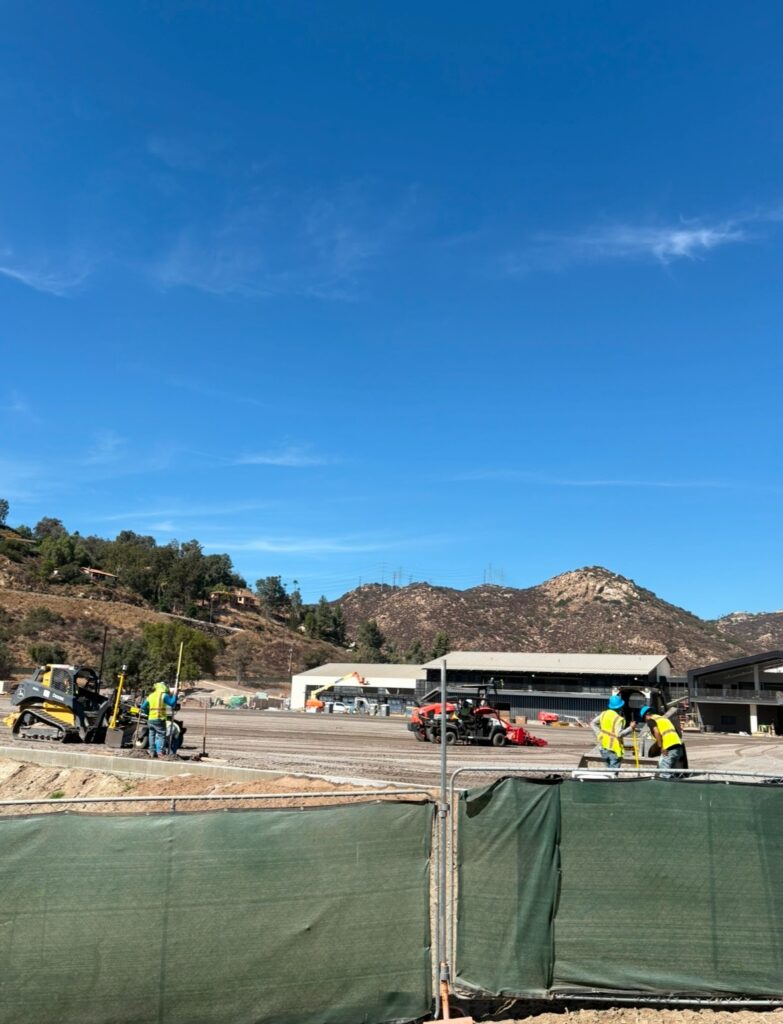
Since the Chargers’ departure, the city of San Diego has been able to make progress on stadium and event infrastructure. Snapdragon Stadium opened in 2022, which marked a new era for local sports entertainment.
The $310 million stadium was developed by San Diego State University and sits on top of the former home of the San Diego Chargers. Snapdragon Stadium serves as the home of the San Diego State Aztecs, San Diego Legion rugby team, San Diego Wave FC and now San Diego FC, who will host their inaugural MLS home match on March 1, 2025.
In addition, the long-awaited return of professional basketball has brought even more excitement to San Diego’s sports landscape.
On Nov. 8, the National Basketball Association G-League affiliate of the Los Angeles Clippers tipped off their season in the newly built Frontwave Arena in Oceanside. The venue is hosting 24 home games this season, marking the first time professional basketball has been played in the county since the original San Diego Clippers relocated to Los Angeles in 1984, a move that remains the only franchise relocation in NBA history not formally approved by the league.
However, one of the most noticeable shifts in San Diego’s sports culture in recent years has been the soccer landscape.
San Diego Wave FC had a remarkable 2022 inaugural season, led by Alex Morgan, who is one of the most recognizable faces in all of soccer. The team drew more than 30,000 in attendance for their season opener and immediately became one of the most popular teams in the NWSL. Wave FC also had immediate success on the field, winning a playoff game in their first season together.
Kicking Up Dust: Soccer Controversy
Another legendary soccer figure making an impact in San Diego has been Landon Donovan, who has been named as the first manager of the new MLS franchise, San Diego FC.
Donovan was also the first manager of the short-lived club, San Diego Loyal, a club in the UCL Championship that shut down operations in 2023 after the new MLS franchise was revealed. This has brought up some challenges for the new MLS team coming into town. Many Loyal supporters were outspoken about the team’s closure and advocated for the Loyal to transition into the San Diego MLS franchise of the future.
“I don’t think I’ll ever support the new MLS team; I feel that the MLS is destroying grassroots growth of professional soccer,” former Loyal supporter Alex Padilla.
That hasn’t been the only controversy the new franchise has dealt with before even kicking off for the first time.
The team’s logo and branding received mixed reactions from fans all over social media who said the designs didn’t resonate with the local culture.
Despite some of the mixed reactions, the team hasn’t wavered from its branding or logo. According to San Diego FC, the brand identity was co-created with supporters and fans before the official unveiling.
The Next Chapter: Vision for the Future
San Diego’s sports landscape has gone through hardships, but it has gained an identity that is resilient and deeply rooted in the community. The city has come together in support of their teams like never before and is an example of how a city’s sports culture can be reinvented.
Stan Kroenke, who played a pivotal role in the development of SoFi Stadium in Los Angeles, is expected to do the same for San Diego. As a key investor in the Midway Rising Project, Kroenke has become a major figure in the city’s transformation. Kroenke’s involvement and influence signals a renewed commitment to ensuring San Diego’s sports culture continues to thrive for years to come.
“San Diego is an untapped market for sports, and with the right vision, it can become one of the most dynamic sports cities in the country,” said John Browner, a local sports commentator.
As San Diego’s sports landscape grows, its evolving sports culture stands as a testament to the city’s resilience and ability to embrace change. The future looks bright for America’s finest city.
____________________________________________
Content for @ParadisePointSD on Instagram: